 4 min read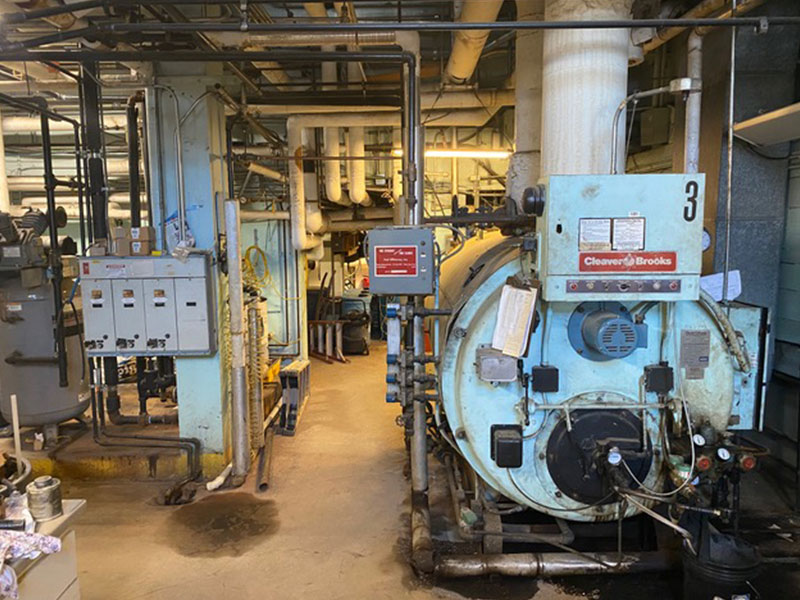
Maximize Uptime with Strategic Boiler Maintenance for Business
Five Ways Preventive Care Protects Your Investment
Prevent Costly Emergency Breakdowns and Avoid Unplanned Facility Downtime
Emergency boiler failures rarely happen at convenient times. During Maine’s harsh winters, when temperatures plunge below freezing for weeks at a stretch, a poorly maintained boiler can fail unexpectedly, leaving your facility without heat for days while emergency technicians scramble to diagnose and repair the problem. The financial impact extends far beyond repair bills: lost productivity, interrupted operations, emergency overtime labor, and potential damage to temperature-sensitive inventory or equipment quickly compound into five-figure losses.
Scheduled maintenance visits identify warning signs long before they escalate into catastrophic failures. Technicians inspect pressure vessels, test safety valves, check water treatment levels, and examine combustion efficiency. These routine checks catch cracked heat exchangers, failing gaskets, corroded pipes, and worn pumps while they’re still repairable at a fraction of emergency costs. In commercial buildings across Portland and Bangor, facilities managers have seen maintenance programs reduce emergency service calls by 70% or more compared to run-to-failure approaches.
The timing matters just as much as the inspection itself. Facilities that schedule maintenance during shoulder seasons—late spring and early fall—ensure their boilers enter heating season in optimal condition. Professional boiler and pressure vessel repair teams can address minor issues before the first cold snap arrives, when demand for emergency service spikes across New England. This strategic approach keeps your operation running smoothly when you need heat most, protecting both your bottom line and your reputation with tenants, customers, or patients who depend on consistent comfort.
Extend Your Boiler System Lifespan and Delay Expensive Replacement Investments
A commercial boiler represents a substantial capital investment—often $50,000 to $250,000 or more depending on capacity and complexity. Replacing this equipment before the end of its useful life forces businesses to reallocate funds earmarked for growth, facility improvements, or other strategic priorities. Regular maintenance dramatically extends boiler longevity, frequently adding five to ten years of reliable service beyond what neglected systems achieve.
The key lies in managing the inevitable wear that occurs during normal operation. Every heating cycle creates thermal stress on metal components. Hard water deposits accumulate on heat exchange surfaces. Combustion byproducts leave residue that reduces efficiency and accelerates corrosion. Without intervention, these processes compound year after year until major components fail. Maintenance programs reverse this trajectory by flushing sediment, treating water chemistry, cleaning burner assemblies, and replacing wear items like gaskets and seals before they cause secondary damage to expensive components.
In New Hampshire’s manufacturing facilities and Maine’s institutional buildings, well-maintained boilers routinely operate for 25 to 35 years, while neglected units often require replacement after 15 years. The financial difference is substantial: spreading your capital investment across three decades instead of one and a half fundamentally changes your facility’s long-term budget picture. Commercial HVAC professionals document baseline performance metrics during initial service visits, then track trends over time to predict when replacement will eventually become necessary, giving you years of advance notice to plan and budget appropriately rather than facing emergency capital expenditures.
Improve Energy Efficiency Substantially and Reduce Your Monthly Utility Expenses
Energy costs represent one of the largest controllable operating expenses for commercial facilities. Even a modest decline in boiler efficiency—say, dropping from 85% to 78%—means seven cents of every fuel dollar literally goes up the flue as wasted heat. Across a New England heating season spanning October through April, that inefficiency compounds into thousands of wasted dollars for a typical commercial building, and tens of thousands for larger facilities like hospitals or college campuses.
Maintenance directly addresses the factors that degrade efficiency. Scale buildup on heat exchanger tubes acts as insulation, preventing heat transfer from combustion gases to water. A quarter-inch of scale can reduce efficiency by 25% or more. Dirty burner nozzles create incomplete combustion, wasting fuel and creating soot that further insulates heat exchange surfaces. Malfunctioning controls cause the boiler to cycle excessively or maintain unnecessarily high temperatures. Air leaks in the combustion chamber allow heated air to escape without transferring energy to the water. Each issue independently costs money; combined, they create shockingly high utility bills.
Professional maintenance systematically eliminates these efficiency killers. Technicians chemically treat or mechanically clean heat exchange surfaces, calibrate burner assemblies for optimal combustion, verify control sequences, seal air leaks, and test overall thermal efficiency. Facilities across Scarborough and Portsmouth have documented 12% to 18% reductions in heating costs following thorough maintenance on previously neglected systems. Those savings recur every single heating season for years to come. When partnered with strategic design and build improvements, efficiency gains can reach 25% or more, making maintenance one of the highest-return investments available to facility managers.
Ensure Complete Regulatory Compliance and Meet All Required Safety Standards
Commercial boilers operate under strict regulatory oversight designed to protect workers, building occupants, and the general public from potential hazards. ASME pressure vessel codes, state boiler inspection requirements, EPA emissions standards, and local mechanical codes create a complex web of compliance obligations that facility managers must navigate. Failure to maintain proper documentation or allow systems to fall below required safety thresholds can result in citations, fines, mandatory equipment shutdowns, and even liability exposure if an incident occurs.
Regular maintenance creates an auditable record demonstrating due diligence in equipment stewardship. Licensed technicians document inspection findings, test results, repairs performed, and parts replaced. Safety devices—pressure relief valves, low-water cutoffs, flame safeguard controls—receive functional testing to verify they’ll perform correctly if called upon during an emergency. Water treatment logs prove proper chemistry control to prevent dangerous scale buildup or corrosion. This documentation becomes invaluable during state inspector visits, insurance audits, or due diligence reviews if you ever sell the property.
In Maine and New Hampshire, state boiler inspectors conduct annual examinations of commercial pressure vessels. Inspectors look for evidence of proper operation and maintenance, not just current condition. A well-maintained boiler with complete service records typically passes inspection quickly with minimal findings. Neglected equipment often triggers reinspection requirements, mandatory repairs before operation can continue, or even operating permit suspensions until deficiencies are corrected. The business interruption from a failed inspection far exceeds the cost of proactive maintenance. Certified teams performing boiler and pressure vessel repair understand regional regulatory requirements intimately and structure maintenance programs to ensure facilities remain in full compliance year-round, eliminating regulatory surprises.
Maintain Consistent System Performance and Deliver Reliable Heat Year After Year
Reliability matters more than any other performance characteristic for critical building systems. Hospitals cannot tolerate lost heat in patient care areas. Schools face closure decisions when heating systems fail during cold snaps. Manufacturing processes dependent on steam or hot water stop entirely when boiler output becomes unreliable. Restaurants risk health code violations if hot water supply becomes intermittent. The reputational and operational damage from unreliable heating far exceeds the direct costs of emergency repairs.
Maintenance programs deliver predictable, consistent performance by preventing the gradual degradation that undermines reliability. A boiler doesn’t suddenly fail after working perfectly—it sends warning signs for weeks or months beforehand. Output gradually decreases as efficiency drops. Cycling frequency increases as controls drift out of calibration. Unusual sounds emerge as bearings wear or burners operate outside specifications. Water quality changes as treatment systems malfunction. To untrained building staff, these subtle changes often go unnoticed until catastrophic failure occurs. Professional technicians recognize these early indicators immediately and address root causes before they impact operations.
Facilities across the Concord and Augusta regions that implement structured maintenance programs report dramatically improved uptime—often achieving 99% availability during heating season compared to 92-94% for reactive maintenance approaches. That difference represents days of uninterrupted operation annually, which translates directly to revenue generation, satisfied occupants, and avoided emergency headaches. For businesses operating on thin margins or institutions serving vulnerable populations, reliability isn’t a luxury—it’s a necessity. Partnering with experienced mechanical contractors who understand commercial and industrial heating systems ensures your facility receives the specialized attention required to maintain optimal performance throughout every heating season.
