 4 min read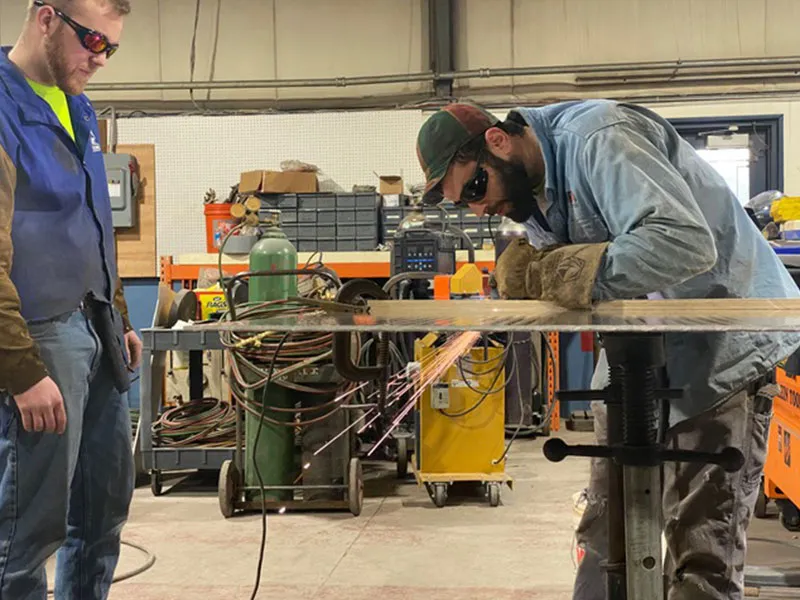
Commercial Boiler Repair Costs in Scarborough, ME
Factors That Influence Repair Expenses
Commercial boiler systems represent significant capital investments, and understanding what drives repair costs helps facility managers make informed decisions. Multiple variables affect the final price of service work, from the age and condition of your equipment to the complexity of the issue at hand.
Equipment age plays a substantial role in determining repair expenses. Older units often require harder-to-source replacement parts, and components may have deteriorated to the point where multiple systems need attention simultaneously. Additionally, older boilers may not meet current efficiency standards, sometimes making repairs less cost-effective than replacement.
The type of boiler system you operate directly impacts service costs. Fire-tube boilers typically cost less to repair than water-tube systems due to their simpler design and more accessible components. Condensing boilers, while more efficient, contain sophisticated heat exchangers and controls that require specialized knowledge and tools for proper servicing.
Labor costs vary based on the complexity of the problem and the expertise required. Simple component replacements might be completed in a few hours, while issues like tube replacements, pressure vessel repairs, or control system overhauls can require days of work from certified technicians. Emergency or after-hours service typically carries premium rates, though prompt attention can prevent secondary damage that would increase total costs.
Parts availability significantly affects both timeline and expense. Common components like pumps, valves, and standard burner parts are usually readily available at predictable prices. However, proprietary controls, specialized pressure vessel components, or discontinued parts may require custom fabrication or extended lead times, driving up costs considerably.
Typical Service Situations and Their Costs
Routine maintenance visits generally represent the most affordable service category, typically including inspections, cleaning, combustion analysis, and minor adjustments. These preventive visits help identify developing problems before they escalate into costly emergencies.
Burner repairs and replacements constitute one of the most frequent service needs. A burner tune-up with nozzle replacement and combustion adjustment represents standard maintenance. More extensive burner work, such as replacing igniters, flame sensors, or fuel valves, increases costs proportionally. Complete burner assembly replacement becomes necessary when components have deteriorated beyond effective repair.
Pressure vessel repairs require specialized expertise and ASME-certified welders. Tube leaks, header repairs, and pressure vessel modifications must meet strict code requirements. These repairs typically represent higher-cost scenarios due to the specialized skills, certifications, and inspection requirements involved. Pressure vessel work also requires proper permitting and third-party inspection in most jurisdictions.
Control system issues range from simple sensor replacements to complete control panel overhauls. Modern boiler controls integrate safety devices, efficiency controls, and automation features that require specialized diagnostic equipment and programming knowledge. Troubleshooting intermittent control problems can be time-intensive, affecting overall service costs.
Pump and motor replacements are relatively straightforward but vary widely in cost based on size and specifications. Circulating pumps, condensate pumps, and feedwater pumps all serve critical functions. Proper sizing and installation are essential to system performance and longevity.
During Maine’s heating season, which runs from October through April, demand for boiler and pressure vessel repair services peaks. Cold weather failures create urgent situations where buildings risk frozen pipes or loss of critical processes. Planning repairs during shoulder seasons when possible can sometimes provide scheduling flexibility and potentially better rates.
Proactive Approaches to Cost Management
Implementing a structured preventive maintenance program delivers the single most effective cost-reduction strategy for commercial boiler operations. Regular inspections catch minor issues before they cause system failures or secondary damage. Water treatment, combustion tuning, and cleaning extend equipment life and maintain efficiency, reducing both repair frequency and energy costs.
Maintaining detailed service records provides valuable information for planning and budgeting. Documentation of repairs, maintenance activities, and operating conditions helps identify patterns that might indicate developing problems. These records also prove valuable when evaluating whether to repair or replace aging equipment.
Water quality management prevents many common and costly boiler problems. Scale buildup reduces heat transfer efficiency and can lead to tube failures. Corrosion from improper water chemistry damages pressure vessels, piping, and heat exchange surfaces. A properly managed water treatment program costs far less than the damage from neglected water quality.
Training your facility staff to recognize early warning signs of problems allows for prompt response before minor issues escalate. Unusual noises, pressure fluctuations, efficiency drops, or changes in operation often signal developing problems. Early detection typically means simpler, less expensive repairs.
Establishing relationships with qualified service providers before emergencies occur ensures access to knowledgeable technicians familiar with your specific equipment. Contractors who understand your systems can diagnose problems more efficiently and recommend solutions based on your operational priorities and budget constraints.
Planning major repairs during scheduled shutdowns or low-demand periods reduces the urgency premium and allows time for proper parts procurement. When facilities can accommodate planned downtime, repairs can be scheduled for optimal efficiency rather than emergency response mode.
Evaluating Your Options Strategically
Not every boiler problem warrants repair. Understanding when replacement makes better financial sense requires evaluating several factors beyond the immediate repair cost. The age of your equipment, frequency of recent repairs, current efficiency levels, and projected future operating costs all factor into this decision.
As a general guideline, when repair costs exceed 50 percent of replacement value for aging equipment, replacement deserves serious consideration. This threshold shifts based on equipment age and condition. A relatively new boiler experiencing an isolated component failure clearly warrants repair, while an older unit with recurring problems may be signaling the end of its economical service life.
Energy efficiency considerations often tip the scales toward replacement. Modern boilers operate at significantly higher efficiency levels than units installed even 15 or 20 years ago. The energy savings from a new high-efficiency boiler can offset the capital investment over time, particularly in facilities with high heating demands or extended operating hours.
Reliability requirements affect this calculation as well. Facilities that cannot tolerate downtime, such as hospitals, laboratories, or manufacturing operations with temperature-sensitive processes, may justify replacement sooner to ensure system reliability. The cost of operational disruption from repeated failures often exceeds the incremental cost of replacement over repair.
Code compliance issues sometimes force the replacement decision. Older equipment may not meet current emissions standards, safety requirements, or efficiency mandates. When repairs require bringing systems up to current code, the additional compliance costs may make replacement the more economical choice.
Capacity matching deserves attention in this evaluation. Buildings that have undergone envelope improvements, occupancy changes, or process modifications may be heating with oversized equipment. Replacement provides an opportunity to right-size boiler capacity, potentially reducing both capital and operating costs while improving system performance.
Choosing the Right Partner for Your Needs
The contractor you select for boiler service work directly impacts both the quality of repairs and the value you receive. Proper licensing, insurance, and certifications form the foundation of contractor qualifications. Boiler work requires specific credentials, including pressure vessel certifications and welding qualifications for certain repairs.
Experience with your specific type of boiler system matters considerably. Commercial boilers vary widely in design, controls, and operating characteristics. Contractors familiar with your equipment brand and model diagnose problems more efficiently and understand the nuances of proper repair procedures specific to your system.
Clear communication about problems, recommended solutions, and associated costs allows for informed decision-making. Quality contractors explain what they find, why they recommend specific repairs, and what alternatives might exist. Transparent pricing without hidden fees or surprise charges builds trust and allows for proper budgeting.
References from similar facilities provide insight into a contractor’s capabilities and reliability. Speaking with other commercial property managers or facility engineers who have used a contractor’s services reveals patterns of performance, responsiveness, and professionalism.
For facilities in Scarborough and throughout southern Maine and New Hampshire, working with established mechanical contractors who understand regional conditions and local code requirements provides distinct advantages. Familiarity with Maine’s harsh winter conditions, the coastal environment’s effects on equipment, and the specific challenges of heating older commercial buildings in the region translates to more effective service.
When boiler issues arise, partnering with knowledgeable professionals makes all the difference in outcomes and costs. The team at MB Mechanical Contractors brings decades of experience with commercial boiler systems, pressure vessel repairs, and commercial HVAC solutions throughout the region. Our certified technicians understand the full spectrum of commercial heating equipment and can provide honest assessments of repair versus replacement options tailored to your facility’s specific needs. With expertise in everything from routine maintenance to complex pressure vessel work, we help clients maximize equipment life while managing costs effectively.
Emergency service availability proves critical for commercial facilities. Boiler failures do not respect business hours, and winter breakdowns create urgent situations. Contractors offering genuine 24-hour emergency response with qualified technicians provide invaluable protection against extended downtime and the associated costs of heating system failures.
